April 24, 2026
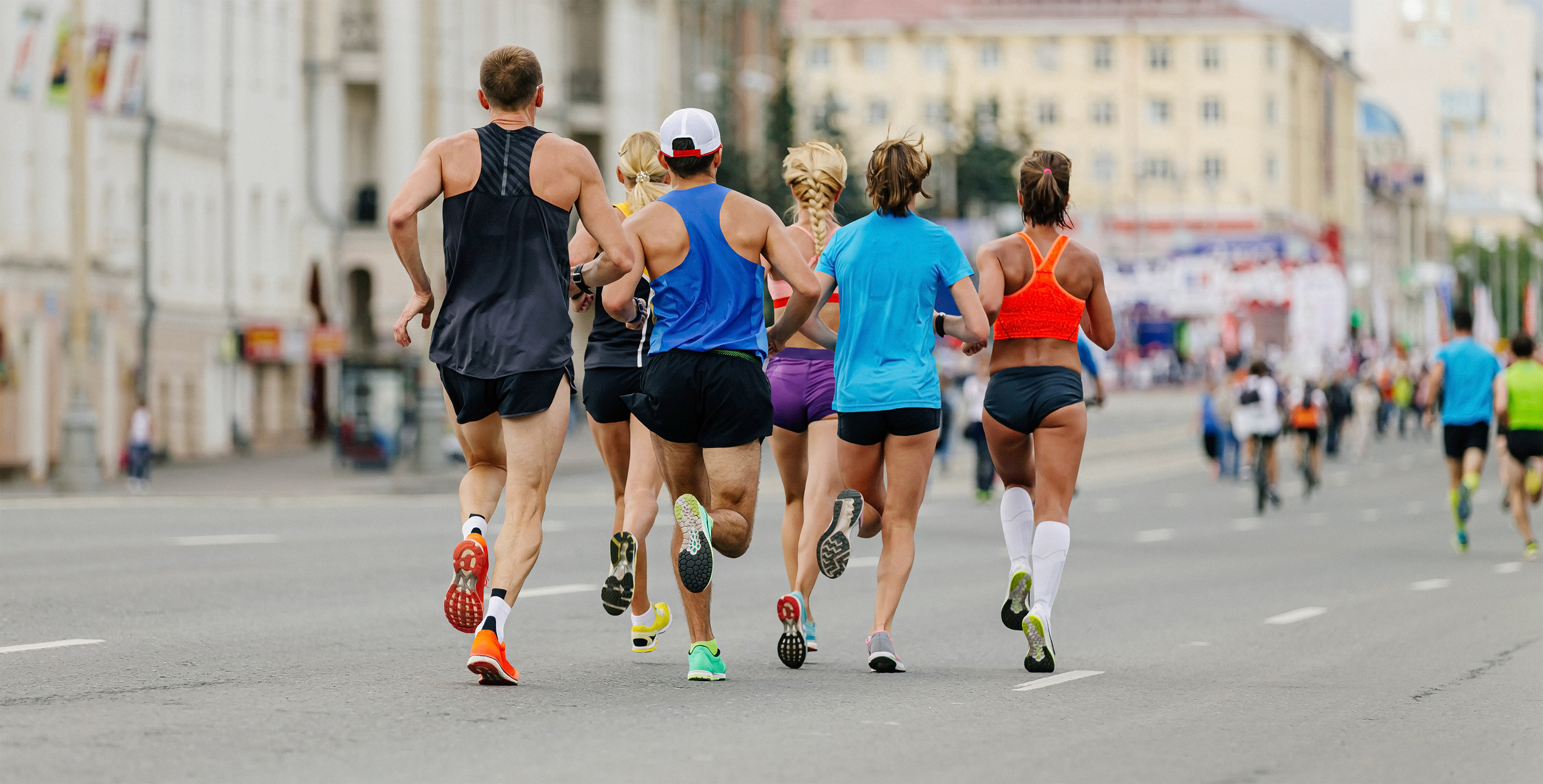
Every year, like clockwork, runners across the country experience the same demoralizing pattern. They trained all winter, set personal bests in cool-weather races, and felt like they were in the best shape of their lives. Then spring arrives. Temperatures climb. And suddenly, their easy pace feels like tempo effort and their tempo pace feels impossible. The watch confirms it: they're running slower. Much slower.
Before you spiral into questioning your fitness, your plan, and your life choices, understand this: you're not slower. You're hotter. And the physiology behind heat's impact on running performance is well-documented, predictable, and temporary.

When ambient temperature rises, your body diverts a significant portion of blood flow from working muscles to the skin for cooling. This cardiovascular shunt means less oxygen delivery to your legs at any given pace. Your heart rate rises to compensate, pumping more blood per minute to maintain both cooling and muscle function. The result is that the same pace requires more cardiovascular effort in warm conditions than in cool conditions.
Research shows that for every 10-degree Fahrenheit increase above approximately 55 degrees, marathon performance degrades by about 1.5 to 3 percent. That means a 3:00 marathon runner in 55-degree weather might be a 3:05 to 3:09 runner in 75-degree weather, running the exact same effort level. The runner hasn't lost fitness. The environment changed the equation.
Here's the good news: your body adapts to heat exposure over 10 to 14 days. This process, called heat acclimatization, involves several beneficial changes. Plasma volume expands, improving both cooling efficiency and oxygen delivery. Sweat rate increases and sweat becomes more dilute, meaning you lose fewer electrolytes per unit of cooling. Core temperature at rest decreases, giving you a larger buffer before reaching critical temperatures during exercise.
The performance benefit of heat acclimatization extends beyond hot-weather running. Studies have shown that heat-acclimatized athletes perform better even in cool conditions because of the expanded plasma volume and improved cardiovascular efficiency. In other words, training through the spring heat can actually make you faster when temperatures drop again in the fall.

The biggest mistake runners make in spring is chasing winter paces. If your easy pace was 8:30 per mile in January at 40 degrees, running 8:30 in April at 70 degrees isn't an easy run anymore. It's a moderate effort run that accumulates more fatigue than intended and compromises recovery for your key workouts.
The adjustment is straightforward. Slow your easy runs by 15 to 30 seconds per mile for every 10 degrees above your comfort zone. Run by effort and heart rate rather than pace for the first two weeks of warm weather. Your body will acclimatize, your paces will return, and you'll be better for it.
This is another area where adaptive training outperforms static plans. NXT RUN's adaptive pacing engine monitors your workout data continuously. When spring heat causes your pace to heart rate ratio to shift, the system recognizes this as an environmental change rather than a fitness decline. It adjusts your training paces to reflect the conditions, keeping your effort levels appropriate and your training stimulus on target.
The app won't panic because your Tuesday easy run was 30 seconds per mile slower than last month. It understands the context. And when you acclimatize and your paces start returning, it adjusts again. This kind of nuanced, data-driven response is exactly what a great human coach would provide, and it's exactly what NXT RUN delivers automatically.